Have you ever wondered why you don't often see diamonds sparkling in silver settings? I did! I always thought silver looked beautiful, and I initially assumed it was just a cost thing. But the truth is, there's more to it than just the price tag. My curiosity led me down a rabbit hole of research and personal experimentation, and I'm excited to share what I've learned about setting diamonds.
I remember being surprised when I first started looking at engagement rings. I loved the cool tone of silver, but almost everything was in gold or platinum. I couldn't understand why silver wasn't more popular, especially since it seemed readily available and, well, cheaper. My initial thought was, "If it's less rare, shouldn't it be used more?"
The biggest reason I discovered is the softness of silver. Pure silver is incredibly soft, so jewelers use an alloy, usually 92.5% silver mixed with other metals (like copper), to make it stronger. This is what's known as 925 sterling silver. Even with the alloy, silver is still much softer than gold, platinum, or even palladium. This softness affects its ability to hold a diamond securely.
Imagine the tiny prongs that hold a diamond in place. If those prongs are made of a soft metal like silver, they're more likely to bend or break. This means the diamond could loosen and potentially fall out. That's a risk I definitely wasn't willing to take with a precious stone!
Another issue I learned about is tarnishing. Silver reacts with sulfur in the air, causing it to darken and lose its shine. While you can clean tarnished silver, it requires regular upkeep. This constant cleaning can be a hassle, especially for something you wear every day. I imagined constantly polishing a silver engagement ring to keep it looking its best, and that didn't sound very appealing.
It's not all bad news for silver and diamonds! I did find out that silver can be used for setting smaller diamonds, especially in designs where the diamond is "flush set" (meaning it's set level with the surface of the metal). I've seen this done in silver stud earrings and pendants, and it can look quite beautiful. However, for larger diamonds, especially in rings that will be worn daily, the risk of damage and loss is too high.
I even came across information about Vickers hardness, which is a measurement of a metal's resistance to indentation. Silver has a much lower Vickers hardness than other metals commonly used for jewelry. This explains why it's more prone to scratches and dents, further highlighting the durability concerns.
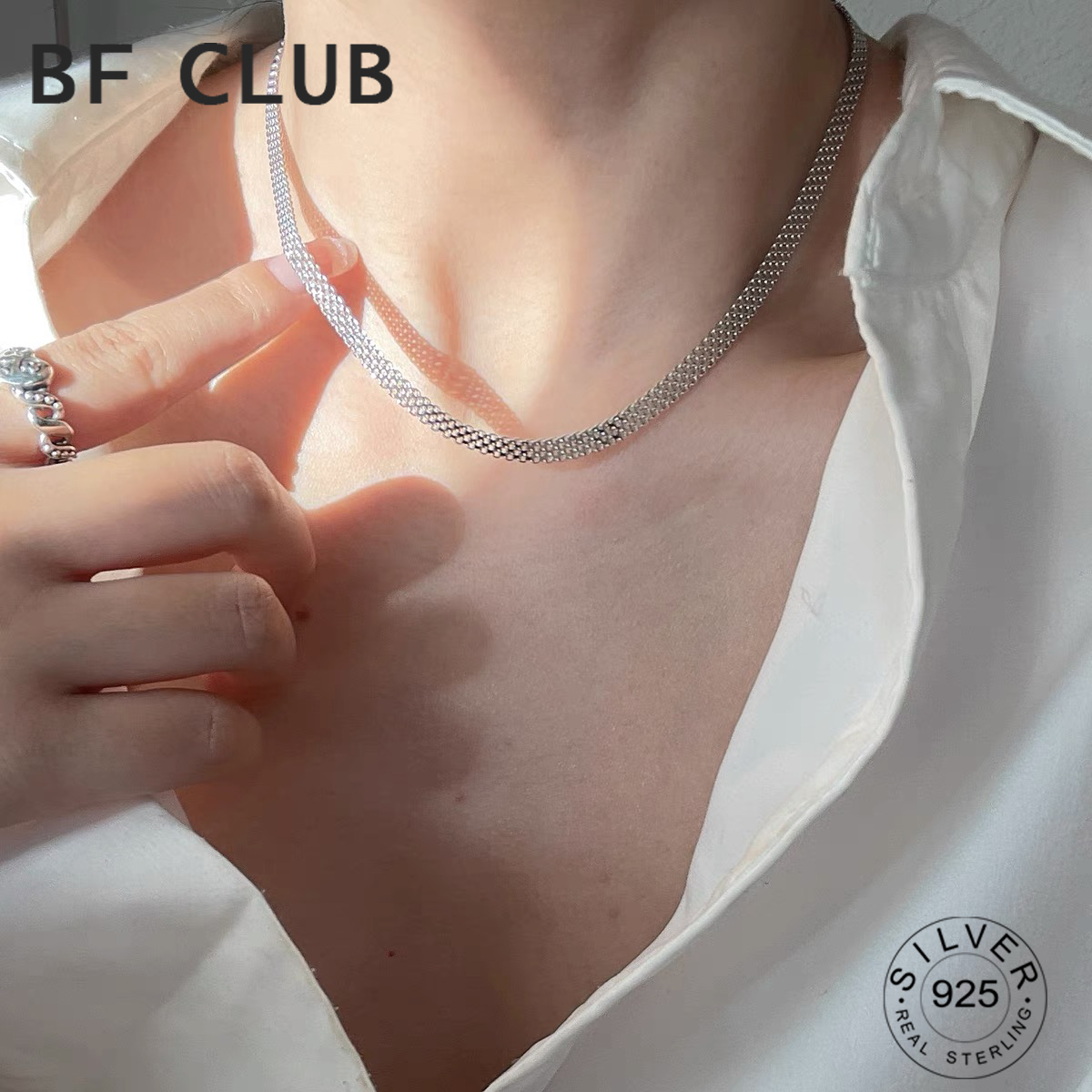
To satisfy my desire for silver jewelry, I decided to try a 925 sterling silver necklace. I wanted something that was stylish but also wouldn't require too much maintenance. I found a beautiful piece from Sumsfashion that I absolutely love. It's the 925 Sterling Silver Sparkling Chain Choker Necklace. It's a wide, sparkling chain that looks great for both casual and dressy occasions. The sparkle of the silver is just what I wanted and I get so many compliments on it.
I've been wearing it regularly, and while it does require occasional polishing, it's not nearly as much work as I imagined it would be. Plus, because it's a necklace and not a ring, it's not subjected to the same level of wear and tear.
Interestingly, I learned that there's a historical precedent for using silver in jewelry with diamonds. In antique rings, it was sometimes common to set diamonds in silver and then combine the silver with gold. The idea was that the silver would enhance the diamond's sparkle. I even saw a stunning 18k Japanese piece with silver-set diamonds, and it was truly beautiful. This made me see silver in a whole new light. However, this is largely historical and less common now due to the reasons mentioned above.